When Tree Removal Is the Safest Option for Your Property

Trees add beauty, shade, and value to a property, but there are times when keeping a tree standing creates more risk than benefit. While many tree issues can be addressed through trimming or maintenance, some situations require complete tree removal to protect people, structures, and surrounding vegetation.

The challenge for many homeowners is knowing where that line exists. A tree may appear healthy from a distance while hiding serious structural problems beneath the bark or below the ground. Understanding the warning signs can help you address hazards before they lead to costly damage or dangerous failures.

At Wilderness Land Clearing & Mulching, we help property owners evaluate trees and determine when tree removal is the safest long-term solution. If you have trees that you think may require removal, contact us today for a free consultation.
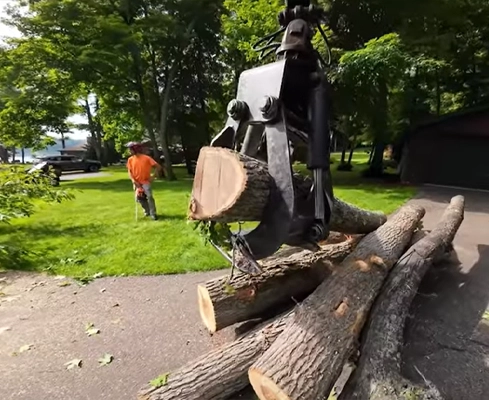
Dead Trees Rarely Become Safer Over Time

One of the clearest signs that tree removal may be necessary is a dead or dying tree.

As a tree declines, its wood becomes increasingly brittle and unpredictable. Branches lose strength, trunks weaken, and root systems begin to deteriorate. Even if a dead tree remains standing for years, it becomes more dangerous with each passing season.

Wind, snow, and ice place additional stress on already weakened structures. Eventually, something gives way. Removing a dead tree before it fails provides far more control than waiting for nature to make the decision for you.

Structural Damage Can Create Serious Hazards

Not all dangerous trees are dead. Trees with major structural defects can pose just as much risk.

Large cracks in the trunk, split leaders, hollow sections, or major wounds can significantly reduce a tree’s stability. Some trees develop poor branch attachments that become vulnerable during storms, while others suffer internal decay that weakens them from the inside out.

These issues often worsen over time. What begins as a manageable defect can become a major hazard as the tree continues to grow and experience seasonal weather conditions.

Leaning Trees Should Never Be Ignored

A tree that has always grown at a slight angle isn’t necessarily a problem. However, a tree that suddenly begins leaning or appears to be shifting position deserves immediate attention.

Leaning can indicate root damage, soil instability, storm impacts, or structural failure within the tree itself. Warning signs often include:

  • Exposed roots
  • Cracked soil around the base
  • New leaning after severe weather
  • Visible root plate movement

When these symptoms appear, professional evaluation is important. In many cases, tree removal is the safest option.

Disease & Decay Can Spread

Tree diseases do more than affect appearance. Many diseases weaken structural integrity and create conditions that lead to failure.

Oak wilt, fungal infections, and internal rot can all compromise a tree’s ability to support its own weight. In some situations, diseased trees may also threaten nearby healthy trees.

Removing infected trees early can help reduce the risk of spreading disease throughout a property while protecting surrounding vegetation.

Location Matters Just as Much as Condition

Even a moderately damaged tree can become a major concern if it’s located near important structures.

Trees growing close to homes, garages, sheds, power lines, driveways, or heavily used outdoor spaces leave very little margin for error. A falling limb that might be insignificant in a wooded area can cause serious damage when it lands on a roof or vehicle.

When evaluating tree removal, location is often just as important as the tree’s condition.

Why Waiting Can Increase Costs

Many homeowners delay tree removal because the tree doesn’t appear to be causing immediate problems. Unfortunately, waiting often makes removal more difficult and more expensive.

As decay progresses or structural damage worsens, trees become harder to remove safely. Additional equipment may be required, access may become more challenging, and emergency situations can develop unexpectedly.

Addressing the problem early typically provides more options and allows removal to be completed under safer conditions.

Protect Your Property with Professional Tree Removal

Every property is different, and every tree presents its own set of challenges. Knowing when tree removal is the safest option requires understanding both the tree’s condition and the risks it poses to the surrounding area.

At Wilderness Land Clearing & Mulching, we help homeowners throughout Central Minnesota evaluate hazardous trees and make informed decisions about their property. If you’re concerned about a leaning, damaged, diseased, or declining tree, contact us for a free estimate. We’ll walk your property with you, assess the situation, and recommend the safest path forward.