Tree Removal After Storm Damage Isn’t Always the Only Option

After a severe storm, it’s common to find broken branches, split trunks, or trees leaning in ways they never have before. In these situations, many homeowners assume the only solution is complete tree removal. While removal is often the safest option for severely damaged trees, it isn’t always necessary.

The key is understanding the extent of the damage. Some trees can recover with proper pruning and ongoing monitoring, while others have suffered structural damage that makes them too dangerous to leave standing. Knowing the difference can help you protect both your property and the healthy trees that add value to your landscape.

At Wilderness Land Clearing & Mulching, we help property owners throughout Central Minnesota evaluate storm-damaged trees and recommend the safest, most practical solution based on each tree’s condition. Contact us today for a free consultation, or call now for 24/7 emergency service.
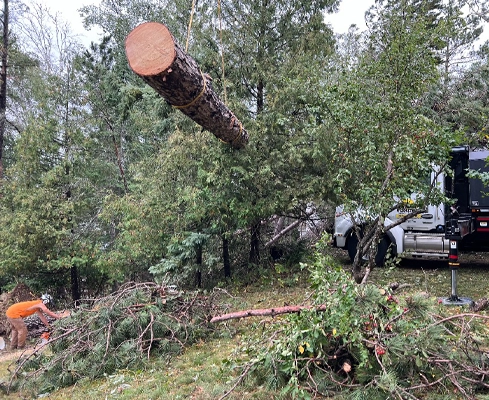
Not Every Broken Branch Means a Tree Must Be Removed

Trees are remarkably resilient. Losing a few limbs during a storm doesn’t automatically mean the tree is beyond saving.

In many cases, professional tree trimming can remove damaged branches while allowing the remaining canopy to continue growing normally. Healthy trees often recover well when broken limbs are properly removed and additional stress is minimized.

The decision depends on how much of the canopy was damaged, where the damage occurred, and whether the tree’s structural integrity remains intact.

When Tree Removal Becomes the Safest Choice

Some storm damage is simply too severe for a tree to recover safely.

Tree removal is often recommended when:

  • The trunk has split through a significant portion of its diameter.
  • The root system has been partially uprooted.
  • The tree has developed a severe lean following the storm.
  • Major scaffold branches have failed, leaving the tree structurally unstable.
  • Internal decay or disease existed before the storm, and the damage has accelerated the decline.

These conditions can make a tree unpredictable, increasing the risk of future failure even after the weather improves.

Hidden Damage Can Be Easy to Miss

Not all storm damage is immediately visible from the ground.

A tree may appear relatively healthy while hiding cracked limbs high in the canopy, damaged branch attachments, or internal fractures within the trunk. Root damage beneath the soil can also weaken a tree without showing obvious signs for weeks or even months.

This is why professional evaluation is so important after severe weather. Identifying hidden structural issues early can prevent future emergencies

Why Waiting Can Make the Situation Worse

After a storm, some homeowners choose to wait and “see what happens.” Unfortunately, damaged trees rarely become safer over time.

Additional wind, rain, or snow can worsen existing cracks and weakened limbs. A tree that survives one storm may fail during the next one because its structure has already been compromised.

Addressing the damage early often provides more options and allows work to be completed under safer conditions.

Making the Right Decision for Your Property

Every storm-damaged tree is different. Factors such as tree species, age, overall health, location, and the type of damage all influence whether the tree can be preserved or should be removed.

A professional assessment helps homeowners make informed decisions rather than relying on guesswork. In many cases, preserving a healthy tree is possible. In others, timely tree removal is the best way to protect nearby homes, vehicles, and people.

Get Expert Guidance After the Storm

Storm damage doesn’t automatically mean every tree needs to be removed, but it should never be ignored. Having your trees evaluated by experienced professionals helps ensure you make the safest decision for your property while preserving healthy trees whenever possible.

At Wilderness Land Clearing & Mulching, we provide honest recommendations based on the condition of each tree, not a one-size-fits-all solution. If your property was affected by severe weather, contact us today for a free estimate. We’ll assess the damage, explain your options, and help you determine whether tree removal or another approach is the right choice.